
APPLICATION 01
Wireless & smart devices
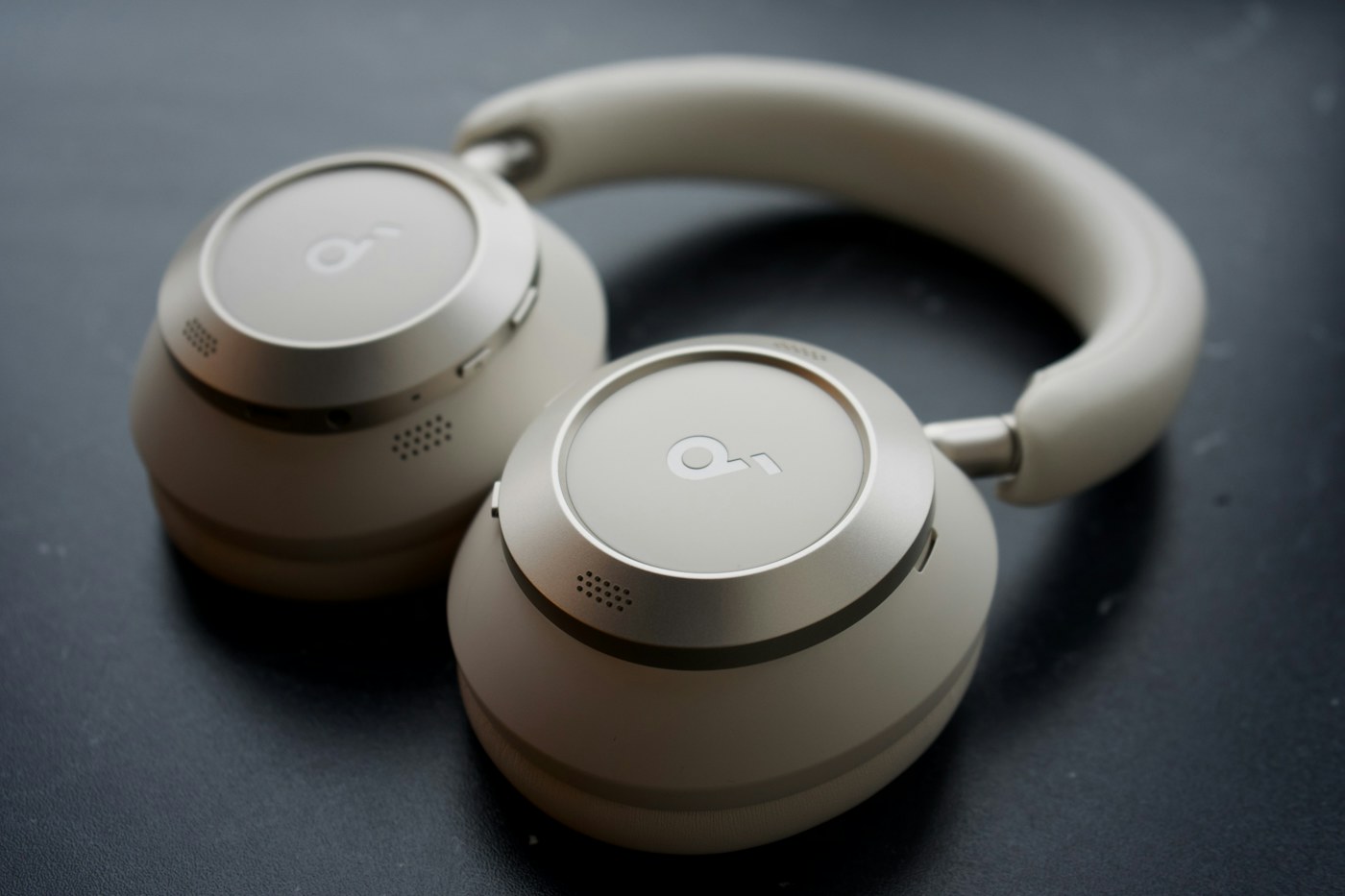
Wi-Fi products, Bluetooth devices, connected sensors and smart home equipment.
SOUTH KOREA / SAFETY, EMC & RADIO
Coordinate safety, EMC, and wireless compliance requirements for electrical and electronic products entering South Korea.

YOUR MARKETSouth Korea
YOUR FOCUSProduct safety
OUR APPROACHConnected compliance support
01 / THE BIG PICTURE
South Korea is one of the world's most technologically advanced consumer markets and a major destination for electronic, telecommunications, industrial, and smart technology products. Before many products can be imported, distributed, or sold within South Korea, they must comply with mandatory requirements established under Korea's national conformity assessment framework.
KC Certification (Korea Certification) demonstrates that a product complies with applicable Korean requirements relating to safety, electromagnetic compatibility, radio performance, and consumer protection.
At Complise Global, we help manufacturers, OEMs, exporters, importers, IoT companies, telecommunications brands, and technology innovators achieve KC compliance and successfully enter the South Korean market.
02 / WHERE IT APPLIES
Start with your product’s intended use and category. Here are some of the applications covered in this service.
Wi-Fi products, Bluetooth devices, connected sensors and smart home equipment.
Displays, audio equipment, computers, printers and servers.
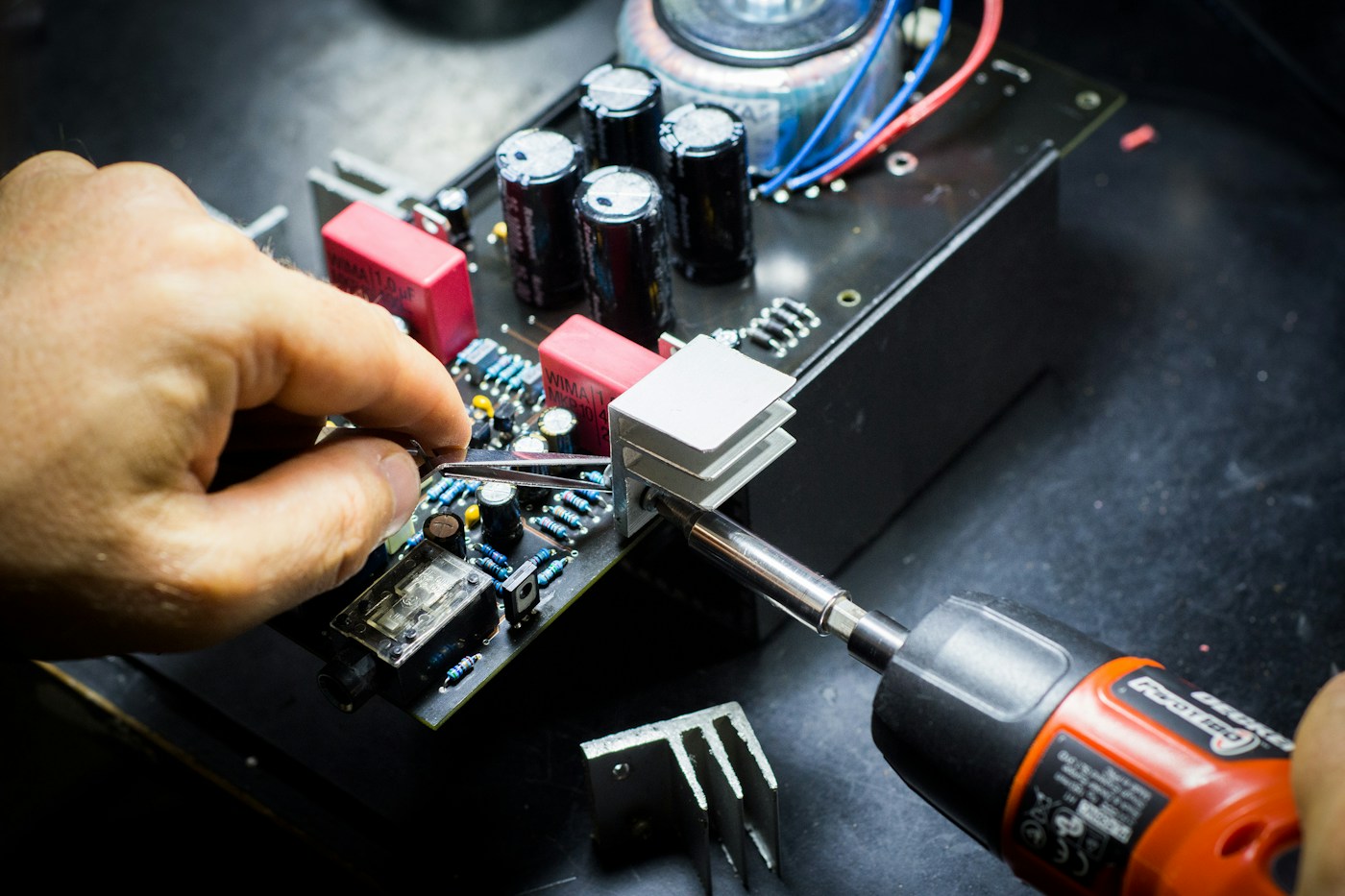
Chargers, batteries, power supplies and industrial control systems.
These are examples. The applicable route depends on your product specifications and target market.
03 / THE PATH FORWARD
Move from the first assessment to a prepared submission with a structured, product-specific plan.
Determine the applicable safety, EMC and radio compliance requirements.
Assess specifications, circuit information, reports and local documentation needs.
Organize product samples and testing through the applicable approved laboratories.
Compile certification records for the relevant review or registration route.
Support KC identification, labels and Korean language documentation where required.
One connected workflow, with your product at the center.
Create your product brief04 / EXPLORE THE DETAILS
Open a topic for the full guidance, product requirements, documentation and practical considerations.
14 topics in this guide
KC (Korea Certification) is the national conformity assessment system administered by the National Radio Research Agency under the Ministry of Science and ICT (MSIT).
The KC framework ensures that products placed on the Korean market satisfy applicable technical, safety, electromagnetic compatibility, and radio communication requirements.
KC certification may evaluate:
For many product categories, certification is mandatory before commercial distribution in South Korea.
South Korea maintains strict technical regulations to protect consumers and ensure efficient use of radio spectrum resources.
KC certification helps businesses:
Legally import and sell products in South Korea.
Meet Korean technical and safety requirements.
Build trust among distributors, retailers, and customers.
Reduce risks of import delays and regulatory issues.
Demonstrate commitment to quality and compliance.
Minimize the likelihood of fines, recalls, and market restrictions.
KC requirements apply to a broad range of products.
Common categories include:
South Korea's conformity assessment system consists of multiple approval routes depending on product functionality and risk level.
The two most common categories are:
Some products may require both.
KC Safety Certification verifies that electrical and electronic products satisfy Korean safety requirements and do not present unacceptable risks to users.
The certification focuses on preventing:
Verification of insulation, protection, and electrical integrity.
Evaluation of thermal hazards and ignition risks.
Assessment of structural safety and physical hazards.
Verification of critical safety components.
For certain product categories, factory inspections may also be required.
KC EMC Certification verifies that products operate without causing excessive electromagnetic interference and remain resistant to interference from surrounding equipment.
Measurement of conducted and radiated emissions.
Assessment of immunity against external interference.
Verification of reliable operation under electromagnetic disturbances.
Testing generally follows Korean standards based on international EMC frameworks such as CISPR and IEC requirements.
For products with radio functionality, additional RRA registration requirements may apply.
Wireless and RF products typically require additional assessment under Korea's radio regulations.
Examples include:
Evaluation may include:
These requirements help ensure efficient use of Korea's radio spectrum resources.
For many foreign manufacturers, a local Korean representative is required to support certification activities and act as a regulatory contact point.
The local representative may assist with:
This requirement is particularly relevant for overseas manufacturers seeking direct market access.
Determine applicable certification requirements.
Identify safety, EMC, and radio compliance obligations.
Evaluate existing technical and compliance records.
Conduct testing through approved laboratories.
Compile documentation and certification records.
Evaluation by the relevant certification authority.
Issuance of KC certification or registration.
Apply required KC marks and identification information.
Typical documentation includes:
Documentation requirements vary depending on the product category.
Failure to comply with KC requirements can result in significant enforcement action.
Financial penalties for unauthorized market placement.
Mandatory withdrawal of non-compliant products.
Suspension of sales and distribution activities.
Customs detention or rejection of shipments.
Enhanced inspections and compliance monitoring.
Loss of distributor and consumer confidence.
Many businesses experience delays because of:
Choosing the wrong approval pathway.
Difficulty interpreting local requirements.
Incomplete or inaccurate compliance files.
Korean-language requirements for manuals and submissions.
Challenges in managing local testing activities.
Incorrect KC markings or certification references.
Our services include:
We help manufacturers, OEMs, exporters, importers, telecommunications companies, consumer electronics brands, and technology innovators successfully launch products in South Korea while minimizing compliance risks and delays.
Try “testing”, “documents” or “process”.
Requirements vary by product, intended use and market. Confirm the applicable standards and current regulatory route before proceeding.
05 / A LITTLE MORE CLARITY
Practical answers to common questions about KC Certification.
For many regulated electrical, electronic, wireless, and telecommunications products, KC certification is mandatory before market entry.
KC Safety focuses on electrical and product safety, while KC EMC evaluates electromagnetic compatibility and interference performance.
Certain product categories require testing through approved Korean laboratories or recognized certification channels.
In many cases, overseas manufacturers require a local Korean representative to support certification and regulatory communication.
Many KC approvals remain valid unless significant product modifications affect compliance, though requirements vary by certification category.
Authorities may impose fines, order recalls, suspend sales, block imports, or initiate additional enforcement actions depending on the severity of the violation.
KEEP YOUR POSSIBILITIES OPEN

Identify Taiwan conformity assessment requirements, prepare technical records, and coordinate testing against applicable CNS standards.

Prepare telecommunications, radio, wireless, and IoT products for Singapore equipment registration and relevant supplier requirements.
Identify applicable European requirements, prepare technical documentation, and coordinate the conformity assessment route for your product.
LET’S PLAN WHAT’S NEXT
Turn your product details and market ambitions into a clear starting point.
Create my product briefService marks and organization names identify the standards and regulatory topics discussed. They do not indicate certification of, affiliation with, or endorsement of Complise Global.