APPLICATION 01
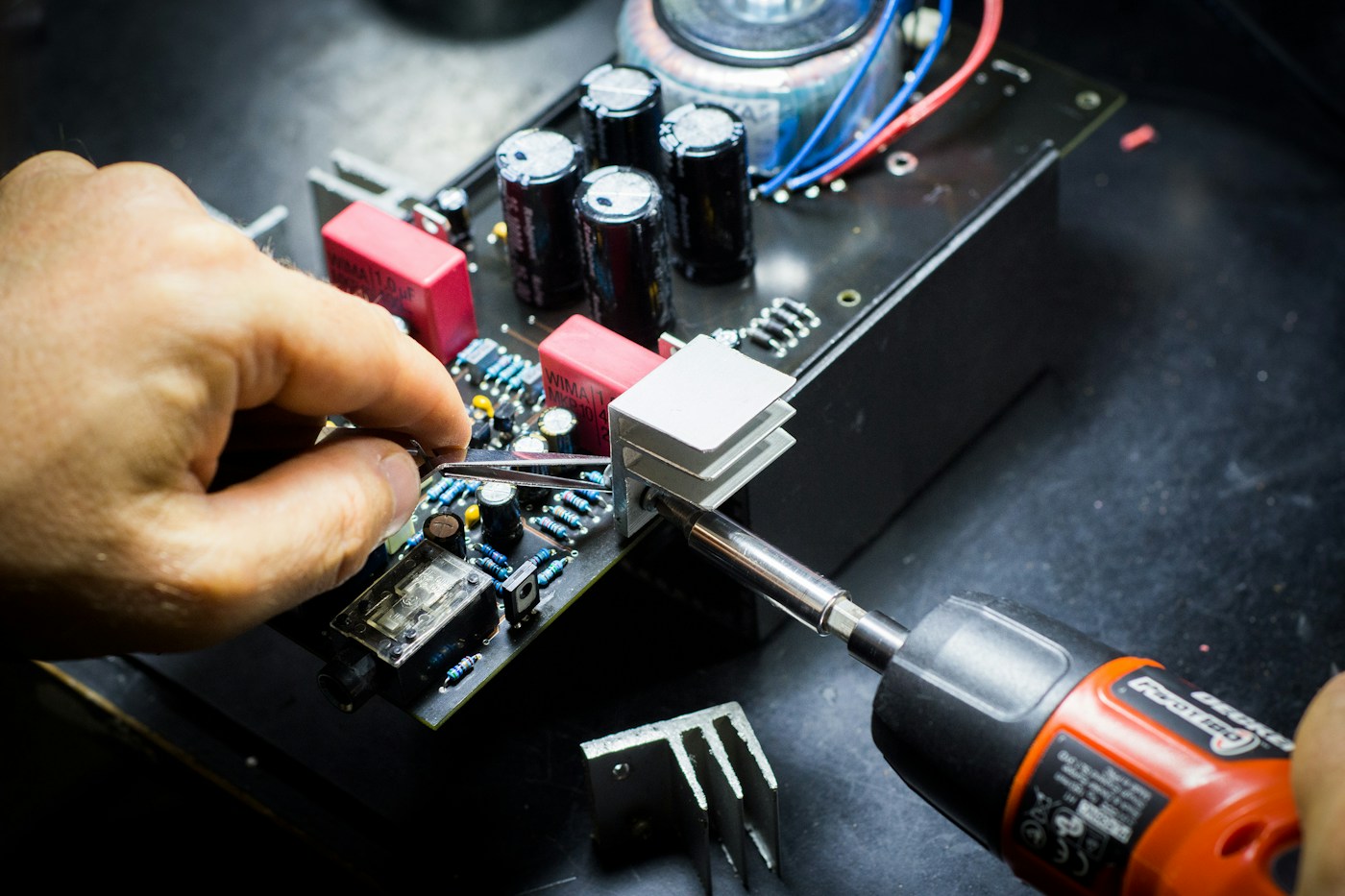
Electrical products
Power supplies, panels, wiring devices and electrical accessories.
NORTH AMERICA / PRODUCT SAFETY
Prepare electrical, electronic, industrial, and consumer products for independent safety evaluation and North American market acceptance.

YOUR MARKETUnited States & Canada
YOUR FOCUSProduct safety
OUR APPROACHConnected compliance support
01 / THE BIG PICTURE
Product safety is one of the most critical requirements for accessing global markets. In North America, many manufacturers, retailers, distributors, insurers, authorities, and procurement organizations rely on independent third-party safety certifications to verify product compliance with recognized safety standards.
One of the most respected and widely accepted product safety certifications is UL Certification.
UL certification demonstrates that a product has been independently evaluated against applicable safety requirements and is suitable for its intended use. For many product categories, UL certification significantly improves market acceptance and commercial opportunities throughout the United States and Canada.
At Complise Global, we assist manufacturers, OEMs, exporters, importers, startups, and global brands with UL certification, product safety evaluations, testing coordination, technical documentation, and North American market access strategies.
02 / WHERE IT APPLIES
Start with your product’s intended use and category. Here are some of the applications covered in this service.
Power supplies, panels, wiring devices and electrical accessories.
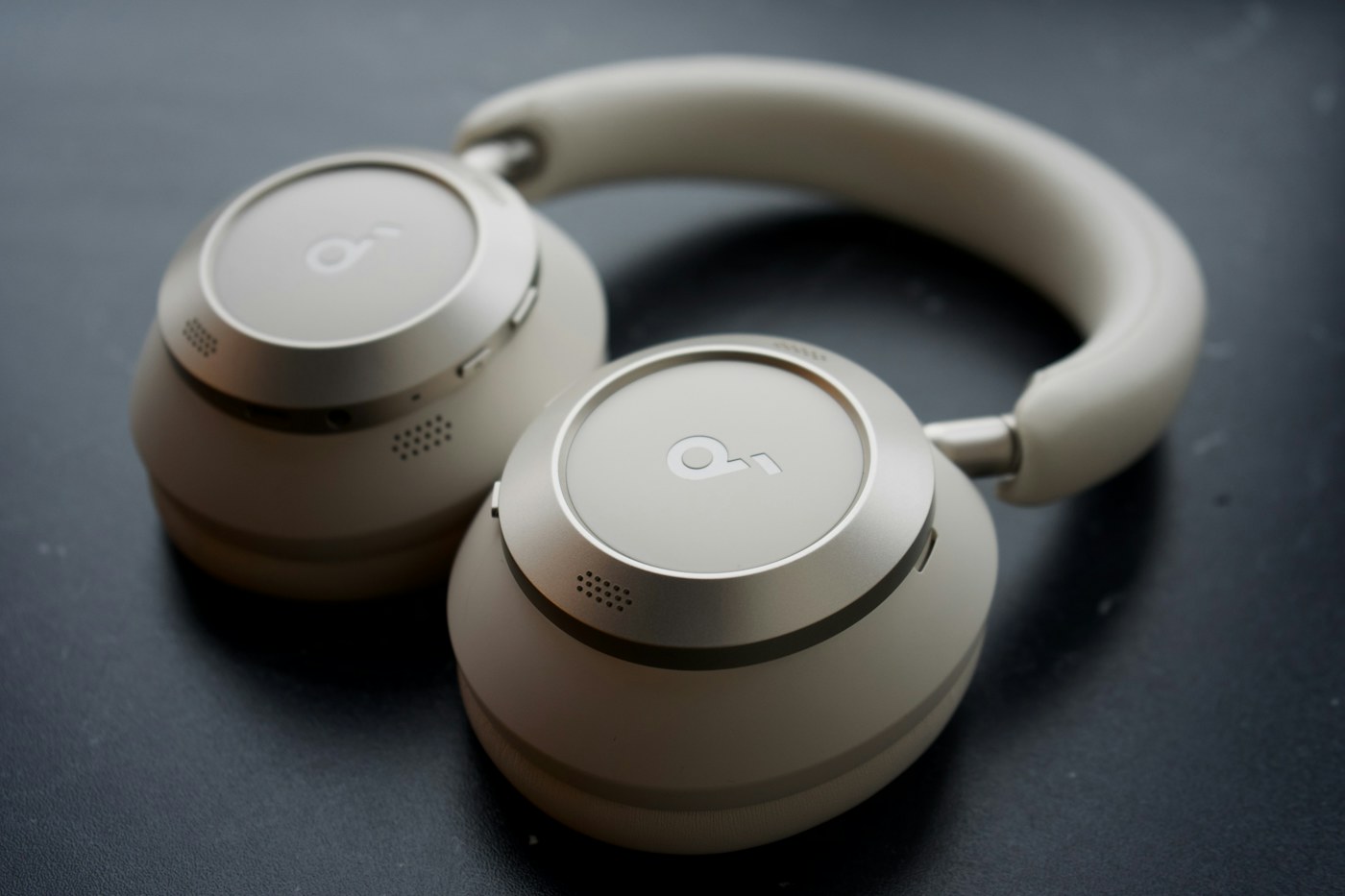
Audio equipment, computers, servers and connected devices.
Automation equipment, batteries, EV charging and renewable energy products.
These are examples. The applicable route depends on your product specifications and target market.
03 / THE PATH FORWARD
Move from the first assessment to a prepared submission with a structured, product-specific plan.
Review intended use, construction and the relevant safety standards.
Organize design details, component information and existing compliance records.
Coordinate evaluation requirements and facility assessment where applicable.
Support testing, technical review and resolution of identified gaps.
Coordinate the certification outcome and applicable marking requirements.
One connected workflow, with your product at the center.
Create your product brief04 / EXPLORE THE DETAILS
Open a topic for the full guidance, product requirements, documentation and practical considerations.
18 topics in this guide
UL Solutions is one of the world's most recognized product safety testing and certification organizations.
Founded in 1894, UL has spent more than a century developing safety standards, conducting product evaluations, and providing independent conformity assessment services for manufacturers worldwide.
UL certification confirms that a product has been evaluated against applicable safety requirements and meets the relevant safety standards for its intended application.
The UL Mark is recognized by:
Products bearing the UL Mark are generally viewed as having undergone independent safety assessment and verification.
Although regulatory requirements vary depending on the product and jurisdiction, UL certification often plays a significant role in commercial acceptance.
Benefits include:
Increase acceptance by retailers, distributors, and buyers.
Demonstrate compliance with recognized safety requirements.
Support procurement and insurance requirements.
Build trust among customers and business partners.
Differentiate products in highly competitive markets.
Facilitate entry into U.S. and Canadian markets.
One of the most common misconceptions is that UL certification is always legally mandatory.
In reality:
May require certification through specific regulatory frameworks.
Do not have a direct legal obligation for UL certification but often require recognized safety certification to satisfy commercial, insurance, procurement, or installation requirements.
Frequently require UL-certified products as part of their purchasing policies.
As a result, UL certification often becomes a practical market-access requirement even when not explicitly mandated by law.
UL offers multiple certification categories depending on the product and intended application.
UL Listed certification applies to complete products that have been fully evaluated against applicable safety requirements.
A UL Listed product has been assessed as a complete end-use product.
UL Recognized certification applies primarily to components intended for use within larger systems or products.
Recognition indicates that the component has been evaluated for specific operating conditions.
UL Classified certification is used when a product is evaluated against specific properties, hazards, or performance characteristics.
Examples may include:
The scope of evaluation depends on the applicable classification program.
UL certification covers a broad range of products.
UL certification focuses on identifying and minimizing potential safety risks.
The evaluation may include:
Protection against electric shock and electrical hazards.
Assessment of overheating and ignition risks.
Evaluation of physical hazards and structural integrity.
Assessment of product performance under environmental conditions.
Verification of materials, components, and product design.
Assessment of product behavior under normal and abnormal conditions.
One of the most effective ways to reduce certification delays is to perform a pre-compliance assessment during product development.
A preliminary evaluation can help identify:
Addressing these issues before formal testing often reduces overall certification costs and project timelines.
Submit product information and technical details.
Assessment of product scope and applicable standards.
Define testing and certification requirements.
Review manufacturing facilities and quality controls where applicable.
Safety and compliance testing against applicable standards.
Evaluation of test results and product construction.
Grant of certification upon successful compliance.
Permission to apply the applicable UL Mark.
For many certification programs, factory inspections form an important part of the certification process.
These inspections may verify:
Periodic follow-up inspections may also be conducted after certification is granted.
Typical documentation may include:
Requirements vary depending on the product category and applicable standard.
Project timelines depend on:
Certification timelines depend on technical complexity, testing scope, documentation readiness, and any corrective actions required.
Many companies experience delays because of:
Early planning significantly improves certification success rates.
Depending on the market and product category, lack of appropriate certification may result in:
Our services include:
We assist manufacturers, OEMs, exporters, importers, technology companies, industrial equipment suppliers, and consumer product brands in achieving product safety compliance and expanding into North American markets with confidence.
Try “testing”, “documents” or “process”.
Requirements vary by product, intended use and market. Confirm the applicable standards and current regulatory route before proceeding.
05 / A LITTLE MORE CLARITY
Practical answers to common questions about UL Certification.
Not always. Requirements depend on the product, market sector, customer requirements, local codes, and commercial expectations.
UL Listed generally applies to complete products, while UL Recognized applies primarily to components used within larger systems.
Yes. UL certification is recognized and respected globally, particularly throughout North America.
Many UL programs include factory inspections and ongoing surveillance activities.
Timelines vary by product complexity, testing scope, documentation readiness, and corrective actions.
In some cases, previously generated test data and component certifications may help streamline the evaluation process.
KEEP YOUR POSSIBILITIES OPEN
Plan product safety evaluation through an OSHA-recognized testing laboratory, with technical documentation and factory readiness support.
Navigate U.S. radio and electromagnetic compatibility requirements with product assessment, testing coordination, and equipment authorization support.
Support for facility registration, product listing, U.S. Agent services, and regulatory planning for food, medical devices, cosmetics, and pharmaceuticals.
LET’S PLAN WHAT’S NEXT
Turn your product details and market ambitions into a clear starting point.
Create my product briefService marks and organization names identify the standards and regulatory topics discussed. They do not indicate certification of, affiliation with, or endorsement of Complise Global.